Burner Phone Operational Security: How to Procure and Use Anonymous Mobile Hardware
A comprehensive counter-surveillance guide for investigative journalists and confidential sources on buying, provisioning, and operating air-gapped mobile phones without forensic contamination.
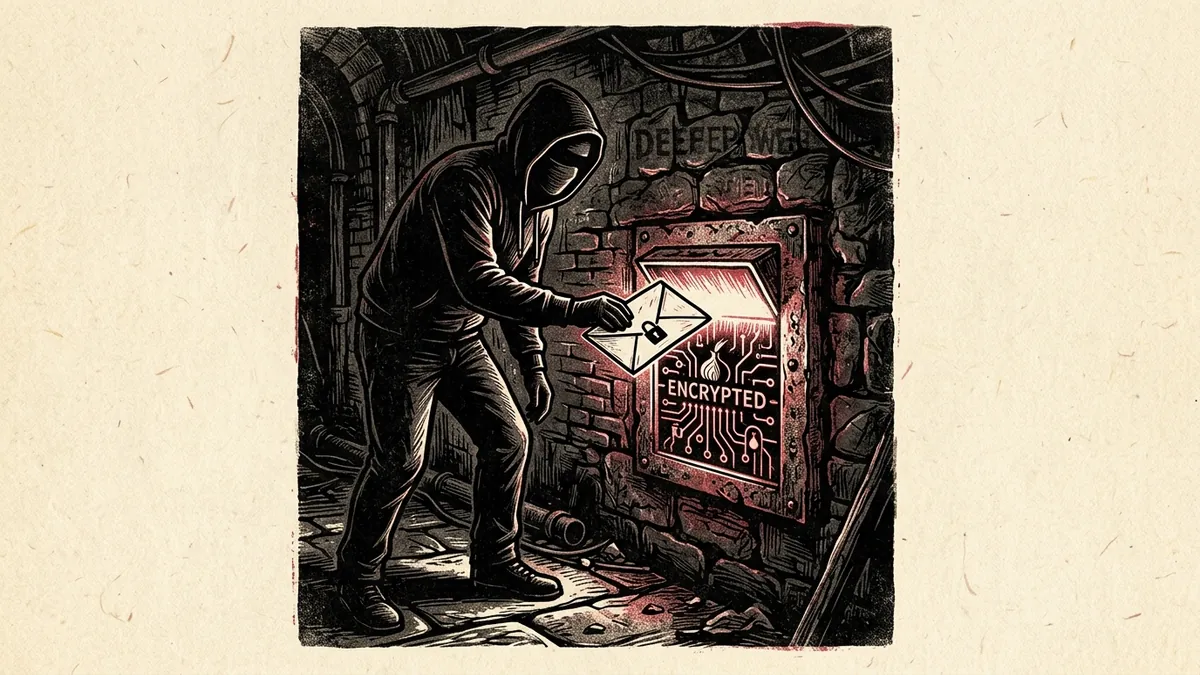
The concept of a “burner phone”—a disposable mobile handset purchased anonymously with cash and discarded after sensitive communications—is a staple of investigative journalism and whistleblower protection. However, most individuals who attempt to deploy burner hardware make catastrophic operational security (OpSec) errors within minutes of unboxing the device: powering it on in their living room, connecting to their home Wi-Fi network, or bringing their personal smartphone along in the same pocket.
Telecommunications network operators and state signal intelligence agencies deploy sophisticated automated data-mining algorithms that instantly link burner phones to real-world identities through IMEI-IMSI correlation, co-location clustering, and baseband handoff triangulation.
This operational manual outlines the physical procurement, technical hardening, and strict behavioral rules necessary to maintain true operational anonymity.
┌────────────────────────────────────────────────────────────────────────┐
│             HOW SURVEILLANCE ALGORITHMS COMPROMISE BURNER PHONES       │
├────────────────────┬────────────────────┬──────────────────────────────┤
│ COMPROMISE VECTOR  │ MECHANISM OF ACTION│ FORENSIC EVIDENCE GENERATED  │
├────────────────────┼────────────────────┼──────────────────────────────┤
│ 1. Cellular        │ Powering on burner │ Telco BTS records identify   │
│    Co-Location     │ while personal     │ two new devices travelling in│
│    Clustering      │ phone is in pocket │ identical cell-tower arcs    │
├────────────────────┼────────────────────┼──────────────────────────────┤
│ 2. IMEI-IMSI       │ Inserting personal │ Carrier EIR database         │
│    Cross-Pollution │ SIM into burner, or│ permanently binds your       │
│    Linking         │ burner SIM into old│ identity to burner hardware  │
├────────────────────┼────────────────────┼──────────────────────────────┤
│ 3. Wi-Fi BSSID     │ Connecting to home │ Geolocation lookup via Google│
│    Sniffing        │ or office router   │ / Skyhook Wi-Fi BSSID map    │
├────────────────────┼────────────────────┼──────────────────────────────┤
│ 4. Baseband 2G     │ Using cheap 2G     │ IMSI-catcher forces phone to │
│    Interception    │ $20 "dumb phone"   │ connect without encryption   │
└────────────────────┴────────────────────┴──────────────────────────────┘
1. The Myth of the “Dumb” 2G Flip Phone
Hollywood movies frequently depict clandestine operatives using disposable $20 flip phones purchased from convenience stores. In real-world technical operations, cheap 2G/3G feature phones are the most insecure communication devices in existence:
- Unencrypted 2G A5/1 Ciphers: In many countries, 2G networks rely on legacy encryption that can be cracked in real time using software-defined radios (HackRF/RTL-SDR) and open-source rainbow tables.
- Vulnerability to IMSI-Catchers: Basic feature phones have zero security mechanisms to detect rogue cell towers (StingRays). They blindly connect to any rogue tower transmitting a stronger beacon.
- No End-to-End Encryption: Basic phones cannot run Signal or Tor. All communications occur via plaintext cellular voice and SMS—both of which are logged, archived, and monitored at carrier telecommunication exchanges.
The Modern Alternative: Hardened GrapheneOS on Pixel
A true secure operational device is an Android phone (such as a Google Pixel 6a or 7a) flashed with GrapheneOS:
- Completely purged of Google Play Services and cloud telemetry.
- Hardened memory allocator (hardened_malloc) that neutralizes zero-day memory exploits.
- Toggle to completely disable 2G baseband radios at the hardware abstraction layer.
- Runs Signal and Orbot (Tor) in memory with sandboxed IPC.
2. The Golden Rules of Burner Phone Compartmentalization
Score Your Operational Hardware Security
Run our 5-pillar verification checklist in local browser memory to audit your mobile operating system integrity, passphrase entropy, and communications security.
Launch Verification Decision TreeRule 1: The “Home Radius” Exclusion Zone
Never power on the burner phone within 3 kilometers of your home, office, or regular social venues. Telco carrier logs continuously record the base station sector, signal strength (RSSI), and Timing Advance (TA) of every device. If a burner phone registers with the cell tower servicing your residence, algorithms immediately correlate it against your household members.
Rule 2: Zero Electronic Co-Location
Never travel with the burner phone and your personal everyday smartphone powered on simultaneously. If Device A (your iPhone) and Device B (the burner) trigger handoffs across the identical series of cell towers along a highway at the exact same minute, carrier pattern-matching algorithms automatically tag them as belonging to the same individual.
Rule 3: Faraday Isolation Storage
When the burner phone is powered down, store it inside a tested RF Faraday sleeve (Mission Darkness or Silent Pocket). Modern smartphones can maintain low-power Bluetooth beacons (such as Apple’s Find My network or Google’s Find Hub) even while shut down. A Faraday sleeve blocks all electromagnetic signals from entering or escaping.
3. Procurement Protocol: Purchasing Without Identity Artifacts
[Cash Withdrawal: Bank Branch A (Days prior)]
        │
        ├── Travel via public transit to distant commercial district
        │
        ├── Purchase handset with exact cash at Retail Store X (No loyalty card)
        │
        ├── Purchase prepaid data SIM at independent kiosk Y (Different location)
        │
        └── Seal both items in Faraday bag BEFORE traveling home
- Cash Financing: Withdraw physical cash days in advance from a high-traffic ATM. Never use credit cards, Apple Pay, or bank transfers.
- Decouple Handset and SIM Purchases: Never buy the phone and the prepaid SIM card at the same retail register. Buy the phone at an electronics retailer, and buy the prepaid data SIM card at an independent convenience kiosk miles away.
- No Personal Account Sign-Ins: Never log into your personal Google, Apple, or Microsoft accounts on the burner phone. Do not sync contacts or import old chat backups.
- Dispose of Retail Packaging: Packaging contains barcodes linked to the retail point-of-sale receipt. Destroy all boxes and serial number stickers before departure.
4. Hardware Retirement and Destruction Protocol
When the confidential operation or whistleblower intake concludes, the burner phone must be destroyed permanently:
- Do Not Sell or Donate: Never trade in or sell a used burner phone.
- Physical Demolition: Factory resetting does not overwrite all flash storage sectors. Remove the SIM card and snap it in half through the gold chip. Open the phone, puncture or disconnect the lithium battery safely, and destroy the motherboard’s flash memory chip with a center-punch or cold chisel.
- Dispersed Disposal: Dispose of the pulverized components in separate public waste receptacles across different municipal districts.
How to Procure and Operate a Burner Phone Anonymously
Counter-surveillance operational guide to procuring and operating mobile devices without identity linkage.
- Withdraw Physical Cash Days in Advance from a High-Traffic ATM: Obtain cash funds well ahead of time without establishing financial correlation to handset purchase date.
- Purchase Handset and Prepaid SIM at Separate Distant Retailers: Buy hardware and data SIM at different stores miles apart to prevent point-of-sale receipt linking.
- Never Power On the Burner Phone within 3km of Home or Office: Establish a strict exclusion radius to prevent cell-tower sector algorithms from correlating with your residence.
- Store Powered-Down Device in an RF Faraday Sleeve at All Times: Shield the device from cellular, Wi-Fi, and Bluetooth low-energy beaconing whenever not in active operation.
- Physically Destroy Motherboard Memory Chips Upon Operation Conclusion: Snap SIM in half and destroy the flash storage chip on the mainboard to eliminate forensic flash recovery.
Frequently Asked Verification Questions
Key technical principles, error traps, and diagnostic standards for investigative researchers.
Why shouldn't you buy a cheap $20 2G flip phone as a burner?
What is IMEI-IMSI correlation?
Score Your Operational Hardware Security
Run our 5-pillar verification checklist in local browser memory to audit your mobile operating system integrity, passphrase entropy, and communications security.
About the Contributor
The Dawat Digital Security Desk produces tactical countermeasures and forensic audits for at-risk reporters, researchers, and human rights defenders.
Related Research & Dispatches
How to Install Tails OS on a USB Flash Drive: The Complete Setup & Persistent Storage Guide
A step-by-step technical walkthrough for creating a cryptographic Amnesic Incognito Live System (Tails) USB dr...
How to Tell if Your Phone is Tapped: The Technical Guide to Detecting Spyware, IMSI-Catchers, and Surveillance
A forensic diagnostic manual for uncovering commercial stalkerware, state-grade spyware like Pegasus, rogue ce...
YubiKey vs Google Titan: The Technical Hardware Security Key Comparison
An architectural and cryptographic comparison of YubiKey 5 Series vs Google Titan Security Keys for FIDO2 pass...