The Complete Digital Security Blueprint for Journalists, Activists, and Independent Researchers
A hardened operational security framework covering threat modeling, zero-knowledge encryption, hardware key authentication, and compartmentalized communications for high-risk reporting.
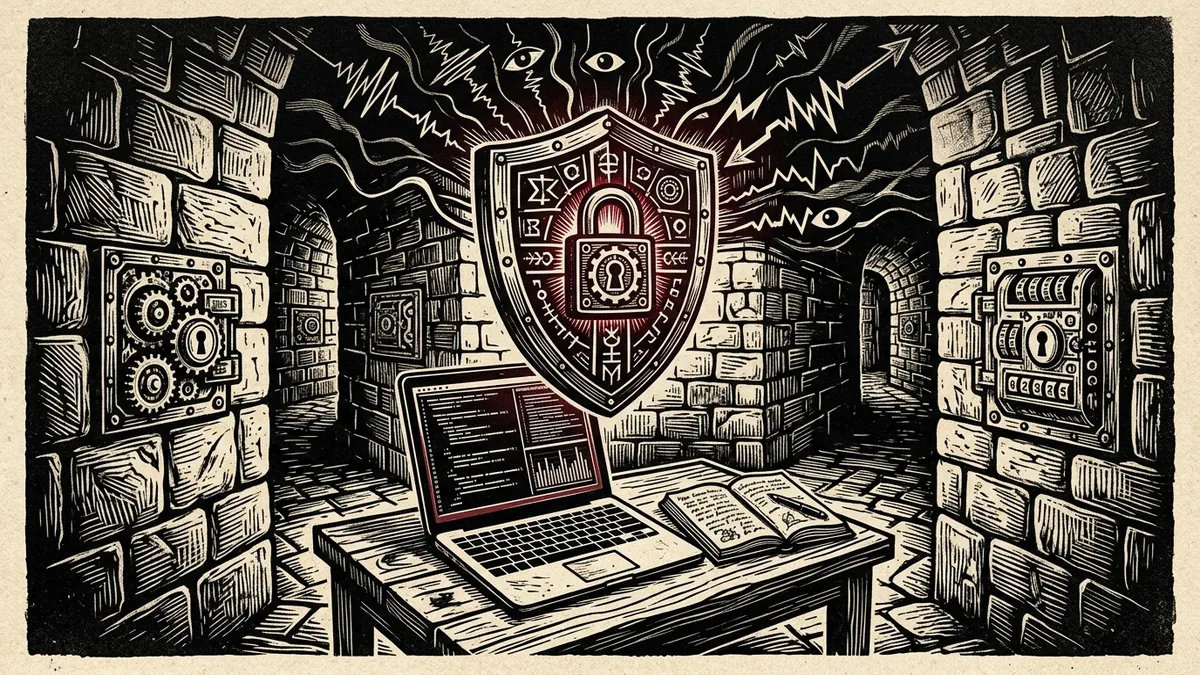
Digital security is neither a software application you download nor a checklist you complete once; it is an active, defensive posture. For independent journalists, legal researchers, and human rights monitors operating in an era of mercenary spyware (such as NSO Group’s Pegasus and Intellexa’s Predator), mass telecommunications dragnet surveillance, and weaponized phishing, technical complacency is disastrous. A single operational mistake does not merely compromise an individual reporter; it exposes confidential whistleblowers, compromises unpublished investigations, and jeopardizes lives.
As established across our investigative publications at Dawat Free Media, protecting public-interest journalism requires structural defense. This blueprint provides a comprehensive operational security (OPSEC) architecture designed to minimize your attack surface, enforce cryptographic compartmentalization, and safeguard communications across hostile digital environments.
1. Threat Modeling: The Foundational Calculus
Before configuring VPNs or purchasing hardware tokens, an investigator must execute a formal Threat Model. Security measures that fail to address your specific adversary waste time, induce cognitive fatigue, and create dangerous illusions of invulnerability.
┌────────────────────────────────────────────────────────┐
│               THE 5-QUESTION THREAT MODEL              │
├────────────────────────────────────────────────────────┤
│ 1. What do you need to protect? (Assets)               │
│    • Source identities, unredacted leaks, raw footage  │
├────────────────────────────────────────────────────────┤
│ 2. Who is the adversary? (Threat Actors)               │
│    • State intelligence, local police, private PR firms│
├────────────────────────────────────────────────────────┤
│ 3. What are their technical capabilities? (Vector)     │
│    • Zero-click spyware, ISP subpoenas, device seizure │
├────────────────────────────────────────────────────────┤
│ 4. What are the consequences of failure? (Impact)      │
│    • Imprisonment of sources, seizure of archive, harm │
├────────────────────────────────────────────────────────┤
│ 5. What resources are you willing to commit? (Budget)  │
│    • Operational discipline, hardware cost, latency    │
└────────────────────────────────────────────────────────┘
A field reporter documenting municipal corruption faces local police capable of physical phone seizures and basic telecom requests. In contrast, an investigative desk exposing state arms transfers faces intelligence agencies capable of deploying multimillion-dollar zero-day mobile exploits and SS7 location tracking. Tailor your defenses to your highest probable threat tier.
2. The Defensive Ring Architecture
Effective operational security deploys concentric rings of protection. If one ring is breached, inner defenses prevent catastrophic failure:
            ┌─────────────────────────────────────────┐
            │   Ring 4: Ephemeral Whistleblower Drops │
            │   ┌─────────────────────────────────┐   │
            │   │  Ring 3: End-to-End Messaging   │   │
            │   │  ┌───────────────────────────┐  │   │
            │   │  │ Ring 2: Network & No-Logs │  │   │
            │   │  │ ┌──────────────────────┐  │  │   │
            │   │  │ │ Ring 1: Hardware & OS│  │  │   │
            │   │  │ └──────────────────────┘  │  │   │
            │   │  └───────────────────────────┘  │   │
            │   └─────────────────────────────────┘   │
            └─────────────────────────────────────────┘
3. Ring 1: Hardware Hygiene and Phishing Immunity
Passwords, no matter how complex, are fundamentally broken. Adversary-in-the-Middle (AitM) phishing frameworks (such as Evilginx) routinely clone login portals in real-time, intercepting both the password and the one-time SMS or authenticator app code.
The Hardware Security Key Standard
The only cryptographic defense against sophisticated phishing is FIDO2 / WebAuthn hardware tokens (such as the YubiKey 5 Series): * The hardware key cryptographically binds your authentication session to the exact domain in your browser’s address bar. * Even if an investigator clicks an identical phishing clone of their Proton Mail or Google Workspace account, the browser refuses to send the cryptographic token because the origin URL does not match.
Operating System Hardening
- Apple iOS in High-Threat Environments:
- Enable iOS Lockdown Mode. This disables complex web font parsing, blocks incoming message attachments from unknown senders, and strips JIT compilation in Safari, eliminating over 80% of known zero-click spyware attack vectors.
- Dedicated Laptops (Qubes OS & Tails):
- Never conduct high-risk investigative analysis on your personal laptop. Use an amnesic, live USB system like Tails (The Amnesic Incognito Live System) that routes all traffic through Tor and writes zero data to the internal hard drive.
- For investigative desktops, Qubes OS isolates applications into discrete Xen virtual machines (e.g., untrusted web browsing occurs in an isolated qube separate from confidential document storage).
4. Ring 2: Network Transit and Audited No-Logs Routing
When researching sensitive targets, visiting foreign policy forums, or conducting OSINT investigative verification, your residential internet service provider (ISP) logs every DNS lookup, IP connection, and timestamp.
Why “Free” VPNs Threaten Investigative Work
Free commercial VPN services monetize by logging connection telemetry, injecting advertising trackers, or selling aggregated user traffic to commercial data brokers. Furthermore, many free VPN entities are domiciled in jurisdictions with mandatory intelligence retention laws.
The Audited Privacy Benchmark
Investigators must rely exclusively on independently audited, no-logs, RAM-only VPN architectures: * Mullvad VPN: Requires no email address, no phone number, and accepts cash or cryptocurrency payments. Accounts are identified solely by a randomly generated 16-digit number. * ProtonVPN: Headquartered in Switzerland under strict Swiss data protection statutes, independently audited, fully open-source clients, and integrated with Secure Core multi-hop architecture. * IVPN: Transparent ownership, audited no-logs verification, and wireguard multi-hop capabilities.
(We dissect audited cryptographic tunneling in our companion technical guide: Why Free VPNs Compromise Investigative Work: Evaluating Audited, No-Logs Privacy Services.)
5. Ring 3: Encrypted Communications Architecture
Standard cellular calls and SMS text messages are completely unencrypted; they can be intercepted via IMSI-catchers (Stingrays) or requested via standard law enforcement subpoenas to telecom carriers.
The Three Tiers of Encrypted Messaging:
- Signal Protocol (Daily Operational Standard):
- Employs the peer-reviewed Double Ratchet cryptographic protocol.
- Signal collects zero metadata: it retains only the timestamp when an account was created and the date of the last server connection.
- Limitation: Historically required a phone number (though usernames have minimized exposure).
- Session (Metadata-Free Decentralized Routing):
- Operates over the decentralized Lokinet onion network.
- Requires no phone number, no email, and generates zero central metadata.
- Matrix / Element (Federated Newsroom Infrastructure):
- An open-source, federated protocol allowing independent newsrooms to host their own secure messaging and file exchange servers.
(For an exhaustive cryptographic evaluation, consult our deep dive: Encrypted Messaging Showdown: Signal vs. Session vs. Matrix.)
6. Ring 4: Secure Whistleblower Ingestion and Dead Drops
When a sensitive confidential source wishes to leak corporate or governmental documents, standard email or cloud storage links (Dropbox, Google Drive) immediately compromise their identity via upload IP logs and browser telemetry.
The Open-Source Whistleblower Toolkit:
- OnionShare: An open-source utility that spins up an ephemeral Tor onion service directly from an investigator’s laptop. Whistleblowers can upload massive uncompressed files directly to your machine through the Tor network with complete cryptographic anonymity.
- SecureDrop: The institutional standard deployed by The Guardian, The Washington Post, and independent investigative foundations. It runs on air-gapped servers, decoupling the intake server from the journalist’s decryption workstation.
(Review deployment protocols in our dedicated manual: Secure File Sharing and Dead Drops: Open-Source Whistleblower Tools.)
The Master Operational Security Checklist
| Operational Domain | Recommended Protocol | Primary Tool / Technology |
|---|---|---|
| Authentication | FIDO2 / WebAuthn Hardware Tokens | YubiKey 5 NFC / 5C |
| Operating System | Amnesic RAM-only / Sandboxed VMs | Tails OS / Qubes OS |
| Network Routing | Multi-hop, Ram-only, audited no-logs | ProtonVPN / Mullvad / Tor |
| Direct Messaging | Forward secrecy, zero metadata logging | Signal / Session |
| Whistleblower Drops | Ephemeral Tor onion services | OnionShare / SecureDrop |
| Document Sanitization | Convert untrusted PDFs to safe pixels | Dangerzone / ExifTool |
Conclusion: Cultivating Institutional Resilience
The most advanced cryptographic algorithms are useless if an investigator maintains poor password habits, opens unverified attachments on a primary device, or transmits source names over unencrypted phone calls. By ingraining these protocols into your daily routine, you transform your newsroom into a resilient, tamper-resistant redoubt for truth.
To privately analyze file metadata without remote server exposure, utilize our client-side Digital Media Verification Navigator.
Put This Methodology Into Practice
Test these forensic workflows directly inside our client-side verification engine. Inspect EXIF headers in memory, calculate cryptographic file fingerprints, and run automated error level analysis with zero data leaving your device.
Launch Digital Verification Navigator →About the Contributor
The Dawat Digital Rights & Security Desk monitors state surveillance technologies, telecommunications interception, and tactical operational security for independent press workers.