Scraping and Archiving Telegram War Channels: Preserving Evidentiary Chains of Custody Before Takedowns
A technical blueprint for extracting, hashing, and preserving digital media, message histories, and user metadata from Telegram conflict channels before administrative bans and deletion.
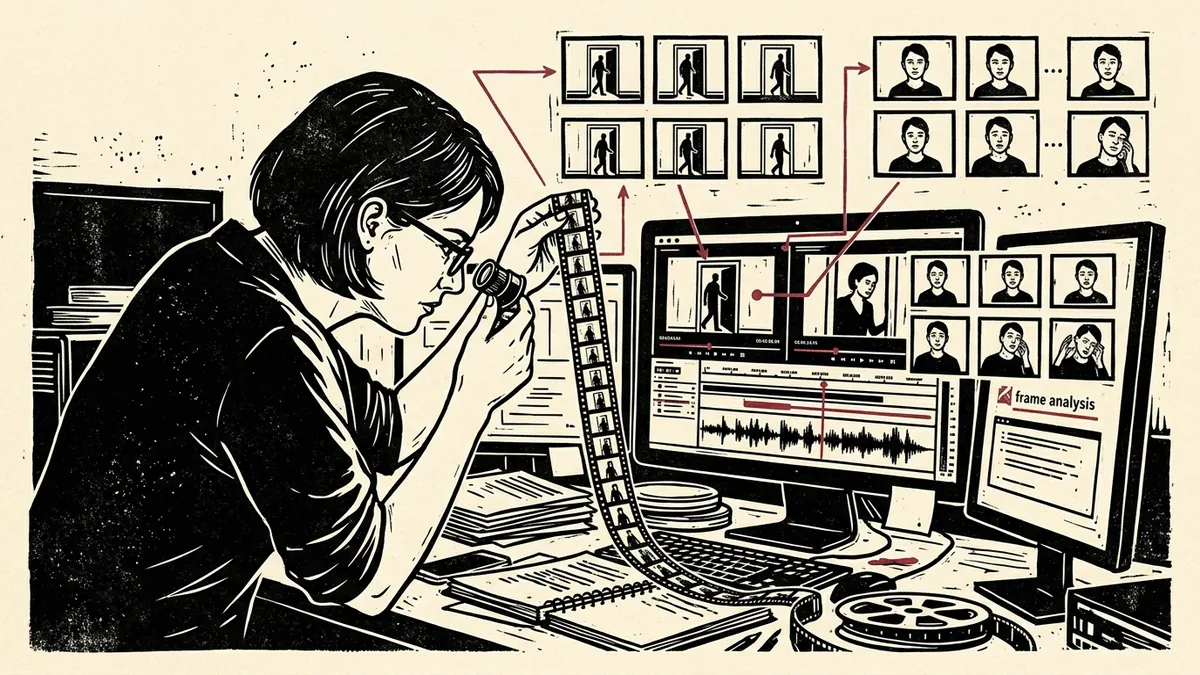
In modern conflict zones and authoritarian crackdowns, the lifespan of incriminating digital evidence is measured in hours. Combatants who upload smartphone footage documenting war crimes, summary executions, or weapons depots often delete their posts once their tactical implications become apparent.
Simultaneously, major cloud platforms—pressured by national security laws or content moderation standards—frequently execute sweeping, unannounced takedowns of extremist, rebel, or military Telegram channels, vaporizing millions of primary source records overnight.
For human rights investigators, digital forensic analysts, and journalists, capturing this ephemeral evidence requires rapid, automated, and forensically sound archiving methodologies.
Merely capturing a screenshot or saving a compressed video on a mobile device fails international evidentiary standards (such as the Berkeley Protocol on Digital Open Source Investigations).
This manual provides an operational technical framework for deploying Python-based scraping pipelines via Telegram’s native MTProto API, computing cryptographic hash chains, and preserving verifiable evidentiary archives.
1. The Legal and Evidentiary Imperative: The Berkeley Protocol Standard
When digital open-source information (DISI) is submitted to international judicial bodies (such as the International Criminal Court or the UN Human Rights Council), opposing counsel routinely challenges the integrity of online media:
┌────────────────────────────────────────────────────────────────────────┐
│             THE THREE VULNERABILITIES OF CASUAL SCRAPING               │
├────────────────────┬────────────────────┬──────────────────────────────┤
│ 1. Transcoding Loss│ 2. Missing Context │ 3. Broken Custody            │
│ Downloading via    │ Extracting a video │ Inability to prove that the  │
│ mobile app often   │ without adjacent   │ file in court is identical   │
│ recompresses video │ comments, forward  │ bit-for-bit to what was      │
│ into lower bitrate.│ chains, & dates.   │ originally uploaded.         │
└────────────────────┴────────────────────┴──────────────────────────────┘
To withstand judicial scrutiny, an archival ingest pipeline must satisfy three core criteria: 1. Verifiable Provenance: Document the exact Telegram Channel ID, Message ID, UTC upload timestamp, and forwarding lineage. 2. Cryptographic Immutability: Calculate immediate SHA-256 and MD5 cryptographic checksums for every raw media blob and text payload at the instant of ingest. 3. Structured Contextual Metadata: Store all associated text captions, reactions, view counts, and user IDs in standardized, machine-readable JSON schemas.
2. API Architecture: Bot API vs. MTProto Telethon
Many researchers mistakenly attempt to use Telegram’s commercial Bot API to archive channels. This approach is fatally flawed: * Bots cannot join or scrape channels without explicit administrator privileges. * Bots are subject to strict 20MB file download restrictions and cannot access historical message archives prior to their addition.
Instead, forensic archiving pipelines utilize user-client MTProto protocols via libraries such as Telethon or Pyrogram.
                           TELEGRAM INGEST PROTOCOLS
                                       │
         ┌─────────────────────────────┴─────────────────────────────┐
         ▼                                                           ▼
   BOT API (HTTP REST)                                  MTPROTO CLIENT (Telethon)
  • Requires Admin invites                             • Operates as standard user session
  • 20MB file download ceiling                         • Ingests up to 2GB / 4GB files
  • Blocked from historical posts                      • Unlimited access to complete channel history
  • Strips user identifiers                            • Extracts raw binary TL-objects & forward headers
3. Building an Automated Forensic Scraper with Telethon
The following production-ready Python script demonstrates how investigators extract raw channel histories, download full-resolution media documents, and generate cryptographic checksums:
import os
import hashlib
import json
from datetime import datetime
from telethon import TelegramClient
from telethon.tl.types import MessageMediaDocument, MessageMediaPhoto

# Acquire API credentials from https://my.telegram.org
API_ID = 12345678
API_HASH = "your_telegram_api_hash_here"
CHANNEL_HANDLE = "conflict_monitoring_channel"
ARCHIVE_ROOT = "./forensic_archive"

client = TelegramClient("investigator_session", API_ID, API_HASH)

def compute_sha256(filepath):
    """Calculates cryptographic SHA-256 hash of a downloaded media file."""
    hasher = hashlib.sha256()
    with open(filepath, 'rb') as f:
        while chunk := f.read(65536):
            hasher.update(chunk)
    return hasher.hexdigest()

async def archive_channel():
    await client.start()
    channel = await client.get_entity(CHANNEL_HANDLE)
    channel_dir = os.path.join(ARCHIVE_ROOT, str(channel.id))
    os.makedirs(channel_dir, exist_ok=True)

    metadata_log = []

    print(f"[*] Ingesting channel: {channel.title} (ID: {channel.id})")

    async for message in client.iter_messages(channel, reverse=True):
        if not message.text and not message.media:
            continue

        record = {
            "message_id": message.id,
            "date_utc": message.date.strftime("%Y-%m-%d %H:%M:%S"),
            "text": message.text or "",
            "views": message.views,
            "forwards": message.forwards,
            "forward_from": None,
            "media_file": None,
            "sha256": None
        }

        # Trace origin if message was forwarded from another entity
        if message.fwd_from:
            record["forward_from"] = {
                "from_id": getattr(message.fwd_from.from_id, 'channel_id', None) or getattr(message.fwd_from.from_id, 'user_id', None),
                "original_date": str(message.fwd_from.date) if message.fwd_from.date else None,
                "saved_from_msg_id": message.fwd_from.saved_from_msg_id
            }

        # Download media without lossy compression
        if message.media:
            filename = f"{message.id}"
            filepath = await message.download_media(file=os.path.join(channel_dir, filename))
            if filepath:
                record["media_file"] = os.path.basename(filepath)
                record["sha256"] = compute_sha256(filepath)
                print(f"[+] Downloaded message {message.id} media | SHA256: {record['sha256'][:12]}...")

        metadata_log.append(record)

    # Save structured evidentiary manifest
    manifest_path = os.path.join(channel_dir, "evidentiary_manifest.json")
    with open(manifest_path, "w", encoding="utf-8") as f:
        json.dump(metadata_log, f, indent=2, ensure_ascii=False)

    print(f"[SUCCESS] Archived {len(metadata_log)} records to {manifest_path}")

with client:
    client.loop.run_until_complete(archive_channel())
4. Preserving the Chain of Custody: Hashing and Time-Stamping
Downloading files to a local laptop is only the first step. To guarantee that digital evidence cannot be challenged as tampered:
[TELEGRAM INGEST] ──► [MEDIA DOWNLOAD] ──► [SHA-256 COMPUTATION] ──► [RFC 3161 TIMESTAMP] ──► [COLD STORAGE]
1. SHA-256 Hashing at Rest
Every photo, video, and PDF must be hashed immediately upon disk write. A master CSV or JSON manifest linking Message_ID $\to$ Original_Filename $\to$ SHA-256 creates an immutable cryptographic index.
2. Trusted RFC 3161 Digital Timestamps
To prove that evidence existed in a specific state at a precise instant—and was not backdated by investigators—submit the hash of your master manifest to an external, legally recognized RFC 3161 Time Stamping Authority (TSA):
# Generate timestamp request for evidence manifest
openssl ts -query -data evidentiary_manifest.json -sha256 -cert -out manifest.tsq

# Query public certified TSA (e.g., FreeTSA)
curl -H "Content-Type: application/timestamp-query" --data-binary @manifest.tsq https://freetsa.org/tsr > manifest.tsr

# Verify timestamp token against TSA public certificate
openssl ts -verify -data evidentiary_manifest.json -in manifest.tsr -CAfile cacert.pem
5. Defensive Operational Security for Archiving Desks
Scraping extremist, warzone, or state-monitored Telegram channels exposes researchers to severe counter-intelligence risks. Desks must observe strict digital hygiene:
- Dedicated Dedicated Virtual Machines: Never run Telethon user scrapers on your primary personal or newsroom workstation. Deploy scrapers inside an isolated, encrypted Linux container or virtual machine.
- Burner Registrations & VoIP Isolation: Never register your Telethon scraping session using a phone number associated with your legal identity or personal SIM card. Use anonymous SIMs purchased with cash or privacy-hardened VoIP carriers.
- Tor & VPN Routing: Always route MTProto sessions through a trusted WireGuard VPN or the SOCKS5 Tor daemon (
127.0.0.1:9050) to prevent state entities or channel administrators from identifying your investigative IP footprint. - Cold Storage Redundancy: Store finished archival dumps on write-once media (such as Blu-ray M-DISCs) or air-gapped, encrypted hardware storage drives kept off the internet.
By combining robust client-side automation with strict cryptographic standards, researchers ensure that the digital evidence of history cannot be erased by those seeking to rewrite it.
How to Archive Telegram War Channels with Cryptographic Chain of Custody
Technical blueprint for extracting, hashing, and preserving digital media and message histories from Telegram conflict channels.
- Deploy Asynchronous Telethon MTProto Client: Use user-session MTProto client protocols to bypass Bot API 20MB file ceilings and access full historical channel posts.
- Download Uncompressed Original Media Documents: Preserve original full-bitrate MP4 and JPEG media blobs without lossy mobile client re-encoding.
- Calculate Cryptographic SHA-256 Hashes at Rest: Generate SHA-256 file digests immediately upon disk write to guarantee bit-level immutability.
- Compile W3C-Compliant JSON Evidentiary Manifests: Store message IDs, UTC timestamps, forward channel IDs, view counts, and text captions in structured manifests.
Frequently Asked Verification Questions
Key technical principles, error traps, and diagnostic standards for investigative researchers.
Why is the Telegram Bot API unsuitable for forensic evidence collection?
How does calculating SHA-256 hashes satisfy the Berkeley Protocol for digital evidence?
Generate SHA-256 Hashes & Deconstruct Keyframes
Establish immutable evidence checksums in local memory and deconstruct downloaded Telegram videos at 30fps without server uploads.
About the Contributor
The Dawat Forensic Research Desk specializes in open-source investigative intelligence, conflict zone media verification, and digital human rights documentation.
Related Research & Dispatches

OSINT Username Reconnaissance: How to Trace Digital Footprints Across 70+ Platforms
A technical guide for open-source investigators to map individual digital identities, trace handle reuse acros...

How to Track Military Aircraft Live: The Uncensored ADS-B Exchange & Open Flight Radar Guide
A practitioner's tutorial on monitoring live military aviation, airborne refueling tracks, reconnaissance orbi...
The 25 Best Free OSINT Tools for Investigative Journalists and Researchers (2026 Directory)
A curated, verified field directory of the most powerful zero-cost, open-source intelligence tools for geoloca...