Secure File Sharing and Dead Drops: Open-Source Tools for Sensitive Whistleblower Dispatches
A practical operational guide to receiving anonymous leaks, setting up peer-to-peer OnionShare services, air-gapped SecureDrop architectures, and GPG encryption hygiene.
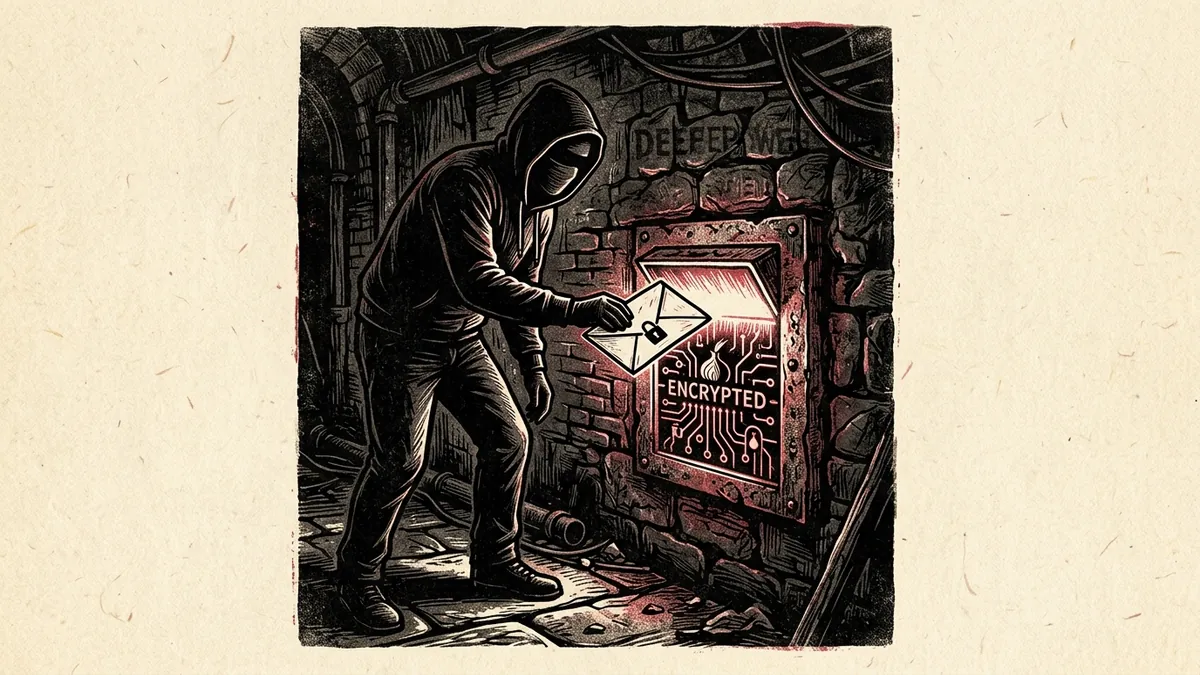
When an insider decides to expose corporate fraud, government surveillance, or human rights violations, the first hurdle they face is transmission. If a whistleblower transmits a confidential leak via standard corporate email, personal Gmail, or commercial cloud file transfers (Dropbox, Google Drive, WeTransfer), they leave an indelible trail of digital breadcrumbs: upload IP addresses, browser fingerprint telemetry, and time-stamped server logs. In high-stakes investigations, this telemetry allows forensic investigators to identify the leaker before the reporting is even drafted.
As established in our comprehensive Digital Security Blueprint for Journalists, protecting sources requires technical infrastructure that decouples the submission of evidentiary files from the physical identity of the source.
This field manual details how independent journalists and research desks deploy open-source dead drops, configure peer-to-peer Tor onion transfers, and sanitize incoming leaked documents.
1. Why Commercial Cloud Storage Destroys Source Anonymity
Commercial cloud file sharing platforms are built for collaboration, compliance, and legal discovery—the exact antithesis of whistleblower anonymity.
                      COMMERCIAL CLOUD VS. ONION DEAD DROP

    Commercial Cloud (Google Drive / WeTransfer):
    [Whistleblower] ──(Real IP + Browser Fingerprint)──▶ [US Corporate Server] ──▶ Subpoena Logs

    Ephemeral Onion Dead Drop (OnionShare / SecureDrop):
    [Whistleblower] ──(Tor Multi-Hop 3-Layer Encryption)──▶ [.onion Service] ──▶ Local RAM Disk
- Mandatory Connection Logs: Commercial cloud providers record the uploader’s real public IP address, User-Agent string, and TLS handshake characteristics.
- Legal Subpoena Compliance: Cloud providers operating in major jurisdictions routinely comply with sealed court orders (such as US 2703(d) orders), handing over account access records without notifying the account holder.
- Malicious File Exposure: Receiving raw files over email or cloud links exposes the journalist’s workstation to weaponized exploit payloads designed to extract source identities.
2. OnionShare: The Ephemeral Peer-to-Peer Dead Drop
Originally conceived by security researcher Micah Lee and supported by the Freedom of the Press Foundation, OnionShare is an open-source, peer-to-peer utility that turns an investigator’s computer into an ephemeral Tor onion service.
Why OnionShare is the Investigative Standard:
- Zero Third-Party Servers: Files never touch a central cloud server. When an investigator opens OnionShare, their computer directly hosts a
.onionweb service reachable exclusively via the Tor network. - Ephemeral Lifetime: The web address exists only while the journalist’s OnionShare application is open. Once closed, the cryptographic private key for that address is destroyed.
- Receive Mode (The Journalist’s Dead Drop):
- Open OnionShare on your workstation.
- Select “Receive Files” and click “Start Sharing”.
- OnionShare generates a randomized 56-character v3 Tor address (e.g.,
http://xyz789...abcdef.onion) and a passphrase. - Share this address publicly or over a metadata-free channel like Session.
- The whistleblower opens the Tor Browser, navigates to your address, and uploads gigabytes of documents directly onto your local hard drive—with zero logs generated along the transit route.
3. SecureDrop: The Institutional Newsroom Bastion
For major publications managing high-volume, institutional leak pipelines, SecureDrop is the gold-standard architecture utilized by The Washington Post, ProPublica, and The Guardian.
The Two-Server Segregation Model:
SecureDrop physically and cryptographically separates public intake from private decryption:
    Whistleblower (Tor Browser)
              │
              ▼
    [Public Facing Tor Server]  ◀── (Segregated DMZ)
              │
              ▼ (Encrypted with Newsroom GPG Key)
    [Document Storage Server]   ◀── (Internal Datacenter)
              │
              ▼ (Manual Air-Gapped Transfer via USB)
    [Air-Gapped Decryption Station]
- The Public Web Server: Hosted in a segregated network DMZ. It accepts encrypted files from Tor Browser users but possesses no cryptographic private keys to decrypt them.
- The Storage Server: Holds files encrypted using the newsroom’s public PGP key.
- The Air-Gapped Decryption Station: A physically isolated computer that is never connected to the internet or local area network. A journalist transfers encrypted files via a dedicated USB thumb drive, decrypting them offline where remote malware cannot phone home.
4. Sanitizing Ingested Leaks: The Dangerzone Protocol
A sophisticated adversary (or double agent) may deliberately submit a document infected with zero-day exploit code (such as a malicious macro, embedded JavaScript, or memory-corruption PDF exploit) intended to compromise the journalist’s laptop and harvest communication records.
Never open an untrusted leaked document on your primary operating system.
The Dangerzone Solution:
Developed by Freedom of the Press Foundation, Dangerzone (dangerzone.rocks) provides an automated, air-gapped sanitization routine:
[Untrusted Leaked PDF]
        │
        ▼ (Moved into Isolated, Non-Networked Container)
[Rasterization to Raw Pixels (RGB Bitmaps)]  ◀── All active code/malware destroyed
        │
        ▼ (Moved to Clean Secondary Container)
[Recompiled into Fresh, Safe PDF]
- Dangerzone takes the untrusted PDF, DOCX, or XLS file and spins up an ephemeral, non-networked Docker container.
- It rasterizes the document into dumb, raw image pixels (destroying all underlying macros, hidden scripts, and embedded shellcode).
- It passes the sterile pixel images to a second clean container that reassembles them into a fresh, completely safe PDF document.
- The resulting sanitized document can be safely read, searched, and annotated without risk of remote system compromise.
5. Metadata Scrubbing Prior to Publication
When preparing leaked documents for public release, newsrooms must remember that whistleblowers frequently leak files generated internally within corporate or governmental document management systems.
Before publishing any leaked document or excerpt:
1. Strip Internal Author Tags: Use ExifTool to purge original usernames, machine names, and editing revisions:
bash
   exiftool -all= -overwrite_original leaked_memorandum.pdf
2. Inspect for Microscopic Printer Tracking Dots: Color laser prints encode Machine Identification Codes (MIC)—yellow tracking dots invisible to the naked eye that reveal the exact printer serial number and timestamp of printing (which famously led to the identification of Reality Winner).
3. Verify Redactions are Rasterized: Never place black vector boxes over text. Always rasterize redacted documents to flat images before exporting to prevent readers from simply highlighting and copying “redacted” underlying text.
The Whistleblower Reception Protocol
| Stage | Operational Action | Dedicated Tool |
|---|---|---|
| 1. Initial Contact | Provide non-custodial intake address | OnionShare / Session |
| 2. File Reception | Route over Tor v3 onion service | Tor Browser / OnionShare |
| 3. Sanitization | Convert untrusted files to safe pixels | Dangerzone CLI / GUI |
| 4. Metadata Purge | Scrub author tags and container revisions | ExifTool / PDF-Redact-Tools |
| 5. Evidence Logging | Hash original intake capture for audit | SHA-256 Checksum |
By establishing disciplined, cryptographic intake pipelines, independent newsrooms create safe harbors where whistleblowers can step forward without fear of digital exposure.
Inspect suspicious file headers locally without network leaks via our Digital Media Verification Navigator.
Verify File Checksums & Audit Metadata Traces
Generate cryptographic SHA-256 integrity digests and inspect hidden container metadata to protect whistleblowers and ensure secure evidentiary chain-of-custody.
About the Contributor
The Dawat Digital Rights & Security Desk advises newsrooms on whistleblower protection, secure intake systems, and cryptographic evidence handling.
Related Research & Dispatches
How to Install Tails OS on a USB Flash Drive: The Complete Setup & Persistent Storage Guide
A step-by-step technical walkthrough for creating a cryptographic Amnesic Incognito Live System (Tails) USB dr...
How to Tell if Your Phone is Tapped: The Technical Guide to Detecting Spyware, IMSI-Catchers, and Surveillance
A forensic diagnostic manual for uncovering commercial stalkerware, state-grade spyware like Pegasus, rogue ce...
YubiKey vs Google Titan: The Technical Hardware Security Key Comparison
An architectural and cryptographic comparison of YubiKey 5 Series vs Google Titan Security Keys for FIDO2 pass...