How to Detect AI Voice Clones and Deepfake Audio: The Forensic Acoustic Guide
A step-by-step diagnostic workflow for uncovering synthetic voice generation, neural audio compression artifacts, and cloned speech using open-source acoustic inspection tools.
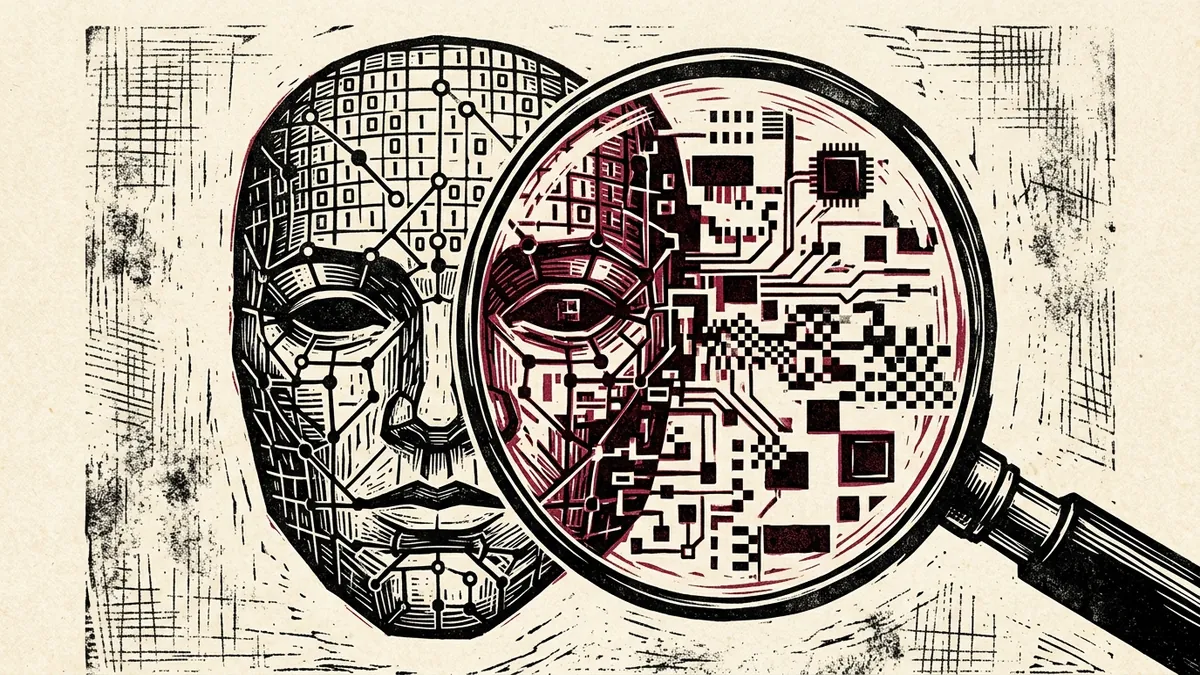
From emergency extortion scams and fabricated executive wire transfers to synthetic political audio leaked on social media days before elections, AI voice cloning technology has outpaced conventional audio authentication methods. Modern diffusion-based text-to-speech (TTS) architectures and voice conversion models (such as ElevenLabs, VALL-E, and open-source models like Bark and XTTS) require as little as three seconds of clean target audio to generate believable speech cadence, timber, and accent.
However, generative acoustic models leave distinct mathematical and biological fingerprints that cannot be hidden from high-resolution spectral analysis. This guide presents an actionable, repeatable protocol for investigating suspected audio clips using open-source audio forensic software.
┌────────────────────────────────────────────────────────────────────────┐
│             SYNTHETIC AUDIO VS. AUTHENTIC SPEECH CHARACTERISTICS       │
├────────────────────┬────────────────────┬──────────────────────────────┤
│ ACOUSTIC FEATURE   │ AUTHENTIC VOICE    │ GENERATIVE AI VOICE CLONE    │
├────────────────────┼────────────────────┼──────────────────────────────┤
│ 1. High-Frequency  │ Organic harmonics  │ Abrupt brick-wall cutoff at  │
│    Spectral Energy │ extending to 20kHz+│ 16kHz, 22kHz, or 24kHz       │
├────────────────────┼────────────────────┼──────────────────────────────┤
│ 2. Respiratory     │ Audible micro-     │ Zero inhalation / exhalation;│
│    Biological Cues │ breaths & pauses   │ Unbroken linguistic cadence  │
├────────────────────┼────────────────────┼──────────────────────────────┤
│ 3. Formant Jitter  │ Natural biological │ Unnaturally rigid pitch      │
│    and Shimmer     │ pitch micro-drift  │ contours & synthetic stability│
├────────────────────┼────────────────────┼──────────────────────────────┤
│ 4. Room Acoustics  │ Consistent room IR │ Voice is bone-dry studio;    │
│    & Reverb        │ matching background│ Artificial noise bed layered │
├────────────────────┼────────────────────┼──────────────────────────────┤
│ 5. Mel-Cepstral    │ Smooth transition  │ Phase discontinuity & click  │
│    Phase Coherence │ across phonemes    │ artifacts at word boundaries │
└────────────────────┴────────────────────┴──────────────────────────────┘
1. The 5 Biological & Mathematical Anomalies of Cloned Speech
A. The Brick-Wall Neural Vocoder Cutoff
Most generative voice models process audio internally using sample rates of 24,000 Hz or 32,000 Hz to economize compute during training. By the Nyquist-Shannon sampling theorem, a 32 kHz system can only represent frequencies up to half the sample rate:
$$f_{\text{max}} = \frac{f_s}{2} = \frac{32{,}000}{2} = 16{,}000\text{ Hz}$$
When you view a synthetic recording in a linear frequency spectrogram, all acoustic energy abruptly vanishes above 16 kHz or 22 kHz. Authentic human speech captured through a smartphone or studio condenser mic contains natural ambient air noise, friction, and vocal harmonics reaching 20,000 Hz.
B. Absence of Biological Respiratory Cadence
Human speech production is strictly governed by pulmonary mechanics. A speaker must inhale before prolonged declarative sentences and release air after plosive consonants (/p/, /b/, /t/). Generative models concatenate linguistic tokens without modeling lung capacity. Cloned audio clips frequently feature 20- to 30-word runs without a single microscopic inhalation.
C. Mechanical Pitch Flatness (Zero Jitter/Shimmer)
- Jitter measures cycle-to-cycle frequency variations of the vocal cords.
- Shimmer measures cycle-to-cycle amplitude variations. Even professional broadcast anchors experience microscopic vocal cord tremors caused by pulse pressure and nervous system feedback. AI voice generators synthesize mathematically idealized waveforms that display an unnatural, robotic pitch uniformity when graphed.
2. Step-by-Step Spectrogram Inspection in Audacity
You do not need commercial forensic software to detect voice clones. The free, open-source audio editor Audacity is sufficient to spot 90% of generative audio anomalies.
Calculate Audio Checksums & Triage Authenticity
Compute SHA-256 container hashes to lock digital audio chain-of-custody, then run our 5-pillar verification checklist in local browser memory.
Launch Verification Decision TreeStandard Diagnostic Procedure in Audacity:
# 1. Ingest suspected audio file into Audacity
# 2. Click track dropdown arrow > Switch from "Waveform" to "Spectrogram"
# 3. Open Preferences > Spectrograms:
#    - Window size: 2048 (increases frequency resolution)
#    - Scale: Linear (0 Hz to 24000 Hz)
#    - Maximum frequency: 22000 Hz
Spectrogram View (Suspicious Clip):
┌────────────────────────────────────────────────────────┐
│ 20 kHz ─────────────────────────────────────────────── │ ◄── Complete Silence (Dead Zone)
│ 16 kHz ━━━━━━━━━━━━━━━━━━━━━━━━━━━━━━━━━━━━━━━━━━━━━━━ │ ◄── Sharp Artificial Cutoff Line
│ 12 kHz ~~~~~~~~~~~~~~~~~~~~~~~~~~~~~~~~~~~~~~~~~~~~~~~ │
│  8 kHz ############################################### │ ◄── Dense Vocal Harmonics
│  4 kHz ############################################### │
│  0 kHz ############################################### │
└────────────────────────────────────────────────────────┘
- Inspect the 16–22 kHz Line: Look along the top boundary. If you see a solid horizontal flat ceiling where harmonic lines terminate abruptly, the file was passed through an internal neural vocoder like HiFi-GAN.
- Inspect Formant Traces: Zoom in horizontally on vowel phonemes (
/a/,/o/,/e/). In natural speech, formant resonance tracks bend smoothly with jaw movement. In synthetic speech, formants often appear as disconnected, blocky bars. - Listen for Phasing Glitches at Sibilants: Sibilant sounds (
/s/,/sh/,/z/) require intricate turbulence modeling that neural vocoders struggle with. They often produce distinct metallic “swishing” or phase-cancellation artifacts.
3. Investigating Audio Encodings & Container Metadata
Malicious actors creating fake audio leaks often deliberately degrade the audio quality—applying simulated phone filter effects, compression, or background street noise—to mask the neural artifacts.
Extracting Container Metadata via FFprobe
# Dump detailed codec parameters, container timestamps, and encoder signatures
ffprobe -v error -show_format -show_streams suspected_voice_note.m4a
Key metadata flags to analyze:
- encoder Tag: Many AI generation web portals leave library strings such as Lavf60.3.100, Python/3.11, or Soundfile in the container headers.
- Channel Inconsistencies: If an audio clip claims to be an authentic intercepted phone call, but the container stream is uncompressed 48 kHz stereo with 320 kbps bitrate, it was created on a workstation, not routed over the GSM AMR-WB cellular network.
4. Investigative Triage Protocol for Breaking Audio Claims
[Suspected Voice Leak / Extortion Call]
        │
        ├── 1. Generate SHA-256 Checksum (Lock Evidence)
        │
        ├── 2. Examine Spectrogram in Audacity
        │      ├── Abrupt cutoff at 16/22 kHz? ──► Strong Indicator of Synthetic Vocoder
        │      └── Organic harmonics to 20+ kHz? ──► Check Respiratory Pauses
        │
        ├── 3. Acoustic Biological Check
        │      ├── Continuous 20+ words with zero inhalations? ──► High Probability AI
        │      └── Natural breath catches & throat clears? ──► Check Context Provenance
        │
        └── 4. Cross-Reference Primary Origin
               └── Search audio hashes & quotes on Telegram, X, and Web Archive mirrors
By combining spectral cutoff auditing, biological breathing verification, and container header forensics, investigators can separate fabricated synthetic voices from genuine whistleblower testimony with forensic confidence.
How to Detect AI Voice Clones and Synthetic Audio
A forensic acoustic workflow for verifying suspicious voice notes, phone calls, and media leaks.
- Ingest Audio into Audacity and Switch to Linear Spectrogram: Open file in Audacity, switch track to Spectrogram view, and set window size to 2048 with linear scale.
- Audit the 16kHz to 22kHz High-Frequency Spectrum for Cutoffs: Look for a brick-wall horizontal cutoff line where all natural vocal harmonic resonance abruptly terminates.
- Examine Speech Waveforms for Natural Respiratory Inhalations: Inspect prolonged sentences for biological micro-breaths before plosives; AI models synthesize continuous speech.
- Analyze Vocal Formant Jitter and Pitch Stability: Evaluate pitch contour micro-drift; generative neural audio displays unnaturally rigid pitch uniformity.
- Inspect Container Metadata for Synthetic Audio Encoder Tags: Run ffprobe to check for Python, Soundfile, or Lavf software strings embedded in audio container headers.
Frequently Asked Verification Questions
Key technical principles, error traps, and diagnostic standards for investigative researchers.
What is the most obvious visual sign of an AI voice clone in a spectrogram?
Can AI voice generators accurately simulate human breathing?
Calculate Audio Checksums & Triage Authenticity
Compute SHA-256 container hashes to lock digital audio chain-of-custody, then run our 5-pillar verification checklist in local browser memory.
About the Contributor
The Dawat Forensic Media Desk investigates algorithmic deception, deepfakes, and synthetic media manipulating public interest discourse.
Related Research & Dispatches
How to Tell if an Image is AI-Generated: 7 Diagnostic Tests for Midjourney, DALL-E, and Flux
A forensic methodology for identifying synthetic images, detecting diffusion model artifacts, analyzing freque...
How to Strip EXIF Metadata from Photos on iOS, Android, macOS, and Linux: The OpSec Field Manual
A definitive operational guide for investigative reporters, whistleblowers, and human rights advocates to sani...
Reverse Video Search: How to Extract Keyframes and Authenticate Conflict Footage
A forensic engineering guide for deconstructing eyewitness video, slicing I-frame keyframes via FFmpeg and bro...