How to Verify if a Journal is Indexed in Scopus, Web of Science, or Predatory: The Forensic Scholarly Audit
A rigorous diagnostic procedure for verifying scholarly publication credentials, auditing ISSN registries, cross-referencing DOAJ indexation, and exposing hijacked or predatory journals using open-access verification tools.
In an era saturated with synthetic research papers, paper mills, and predatory publishing cartels, investigative journalists, policy researchers, and academic scholars face an urgent challenge: determining whether a cited scientific study represents legitimate, peer-reviewed research or fraudulent junk science designed to confer unearned credibility.
Predatory publishers have evolved far beyond the crude spam emails of the early 2010s. Modern deceptive operations frequently deploy journal hijacking—registering expired domain names of legitimate, historic print quarterlies, cloning their editorial board rosters, and charging unsuspecting researchers hefty Article Processing Charges (APCs) while publishing unreviewed manuscripts within 48 hours.
This field guide provides an evidentiary verification protocol for auditing scientific journals, verifying indexation status across Scopus and Web of Science, detecting predatory publishing red flags, and confirming peer-review authenticity.
Audit Journals in Client-Side Memory
Verify journal ISSNs, cross-reference DOAJ and Scopus coverage criteria, and screen against known predatory publishing vectors using our air-gapped validator.
Launch Journal Verifier Studio1. The Anatomy of Academic Indexation Fraud
To authenticate a scholarly source, an investigator must distinguish between legitimate commercial indexing databases, open-access directories, and deceptive metrics invented specifically by predatory syndicates.
                         ACADEMIC INDEXATION INTEGRITY PYRAMID
                                          │
                     ┌────────────────────┴────────────────────┐
                     ▼                                         ▼
            TIER 1: GOLD STANDARDS                    TIER 3: FRAUDULENT METRICS
        • Scopus (Elsevier)                       • Universal Impact Factor (UIF)
        • Web of Science (Clarivate SCIE/SSCI)    • Global Impact Factor (GIF)
        • DOAJ (Directory of Open Access)         • CiteFactor / Cosmos Impact
        • PubMed / MEDLINE (NIH / NLM)            • International Scientific Indexing
Deceptive Metric Scams
Predatory publishers rarely possess a verified Clarivate Journal Impact Factor (JIF) or Scopus CiteScore. Instead, they purchase or fabricate imitation metrics with names designed to deceive casual observers: * “Global Impact Factor” (GIF) or “Universal Impact Factor” (UIF): Commercial services that issue arbitrary numerical ratings in exchange for annual listing fees. * “Indexed in Google Scholar”: Google Scholar is an automated web scraper, not an index. It indexes any PDF formatted with academic tags, including predatory articles, undergraduate student essays, and unverified preprints. Claiming “Indexed in Google Scholar” as a badge of peer-review rigor is a primary hallmark of predatory publishing.
2. The 5-Step Forensic Verification Protocol
When an investigative story relies on claims published in an unfamiliar journal, execute the following 5-stage verification audit:
[ARTICLE CITATION] ──► [1. ISSN LOOKUP] ──► [2. SCOPUS ACTIVE AUDIT] ──► [3. DOAJ VERIFICATION] ──► [4. DOMAIN WHOIS] ──► [VERDICT]
Stage 1: The ISSN Portal Ground Truth
Every legitimate serial publication is assigned an 8-digit International Standard Serial Number (e.g., 2049-3630). Never rely on the journal’s self-reported website text; verify the serial directly against the international registry.
- Navigate to the official ISSN International Portal (
portal.issn.org). - Input the journal’s print ISSN (p-ISSN) or electronic ISSN (e-ISSN).
- Confirm three mandatory variables:
- Key Title: Does the official registered title match the website letter-for-letter?
- Country of Publication: Does the registered country match the stated editorial headquarters? (e.g., if the journal claims to be based in Oxford, UK, but the ISSN registry lists publication headquarters in South Asia, investigate further).
- Status: Is the ISSN active, or has it been canceled, suppressed, or transferred?
Stage 2: The Scopus Active Title Coverage Audit
Predatory operations routinely state “Indexed in Scopus” long after being expelled for publishing irregular or fraudulent manuscripts.
┌────────────────────────────────────────────────────────────────────────┐
│                   SCOPUS INDEX STATUS VERIFICATION CHECKLIST           │
├────────────────────┬────────────────────┬──────────────────────────────┤
│ 1. SOURCE SEARCH   │ 2. COVERAGE YEARS  │ 3. DISCONTINUED TITLE LIST   │
│ Query scopus.com/  │ Check that coverage│ Download the Elsevier Scopus │
│ sources by ISSN to │ explicitly includes│ Discontinued Sources spreadsheet│
│ confirm record.    │ the current year.  │ to check for metric expulsion.│
└────────────────────┴────────────────────┴──────────────────────────────┘
- Access the publicly accessible Scopus Source List (
scopus.com/sources) without requiring an institutional paywall login. - Select ISSN from the dropdown menu and enter the numerical serial.
- If a record appears, check the Scopus Coverage Years. If the record indicates “Coverage: from 2014 to 2022”, the journal was discontinued. Manuscripts published after 2022 do not carry Scopus peer-review accreditation.
- Download the monthly Scopus Discontinued Title List (maintained by Elsevier). Search for the title under the “Reason for Discontinuation” column—common grounds include “Publication Concerns” or “Radar Metric Spike” (signaling an abrupt, unnatural explosion in published articles per issue).
Stage 3: Directory of Open Access Journals (DOAJ) Cross-Check
For open-access publications, the DOAJ (doaj.org) is the definitive independent benchmark for editorial standards:
* DOAJ requires journals to maintain transparent peer-review policies, declare all APC fees openly, and enforce digital preservation archiving (e.g., CLOCKSS, Portico).
* If an open-access journal claims international prestige but is absent from the DOAJ, inspect its peer-review timelines immediately.
Stage 4: Exposing Journal Hijacking via WHOIS & Wayback Machine
In journal hijacking operations, bad actors identify high-reputation academic journals that let their domain registration lapse. The hijacker registers the domain, rebuilds a counterfeit mirror, and continues soliciting publication fees.
┌────────────────────────────────────────────────────────────────────────┐
│                     DETECTING A HIJACKED JOURNAL                       │
├────────────────────────────────┬───────────────────────────────────────┤
│ DIAGNOSTIC SIGNAL              │ HIJACKED ANOMALY                      │
├────────────────────────────────┼───────────────────────────────────────┤
│ Domain Registration Age        │ Historic journal (est. 1974) has a   │
│                                │ domain registered 6 months ago.       │
├────────────────────────────────┼───────────────────────────────────────┤
│ Archive.org Historical Delta   │ Past snapshots show print archive;    │
│                                │ current site shows generic crypto/AI. │
├────────────────────────────────┼───────────────────────────────────────┤
│ Payment Gateway                │ Author fees routed via PayPal, Western│
│                                │ Union, or unverified personal Stripe. │
├────────────────────────────────┼───────────────────────────────────────┤
│ Publication Turnaround         │ Claims peer review within 48–72 hours.│
└────────────────────────────────┴───────────────────────────────────────┘
3. Comparison Matrix: Legitimate vs. Predatory Publishers
| Verification Dimension | Legitimate Academic Journal | Predatory / Hijacked Publication |
|---|---|---|
| Peer-Review Window | 2 to 6 months (rigorous double-blind or transparent peer audit) | 24 to 72 hours (immediate acceptance upon fee clearance) |
| Indexing Credentials | Listed in DOAJ, Scopus Active, Web of Science Core Collection | Claims “Google Scholar”, “Universal Impact Factor”, or fake certificates |
| Editorial Board | Institutional emails (.edu, .ac.uk) with verifiable Google Scholar profiles |
Fictitious names, deceased scholars, or real professors listed without consent |
| Publishing Scope | Highly focused discipline (e.g., Journal of Topographical Remote Sensing) | Ultra-broad omnibus scope (e.g., International Journal of Science, Arts, and Business) |
| Author Fee Transparency | Clear APC structure listed prior to submission | Hidden fees disclosed only after author signs copyright transfer |
4. How Investigative Journalists Can Detect Falsified Citations
When corporate PR teams, political campaigns, or controversial litigants cite a scientific study in defense of their agenda: 1. Request the Raw Data Availability Statement: Legitimate journals require authors to state where raw experimental datasets are archived (e.g., Zenodo, Dryad, OSF). Predatory papers almost universally lack public data repositories. 2. Inspect the Editorial Board Affiliations: Pick two random editorial board members from the journal’s masthead and email their official university accounts. Ask if they actively review papers for the journal. In hijacked journals, scholars will frequently respond that they have never heard of the publication. 3. Audit the Reference Trail: Predatory articles frequently cite other papers published within the same predatory syndicate to artificially inflate reciprocal citation networks.
By systematically verifying serial numbers, active database coverage, and digital ownership history, investigative researchers ensure that public interest reporting rests upon verified empirical truth.
How to Verify if a Journal is Indexed in Scopus or Predatory
A 5-step diagnostic procedure for validating academic paper provenance and identifying legitimate peer-reviewed research.
- Query the Official ISSN Portal: Confirm key title, country of publication, and serial status on portal.issn.org.
- Audit Scopus Active Coverage Years: Search the ISSN on scopus.com/sources and check that coverage explicitly includes the current year.
- Cross-Check the DOAJ Registry: Verify open-access editorial peer-review and archiving policies on doaj.org.
- Inspect Domain Registration & WHOIS History: Check domain registration age and Wayback Machine snapshots to rule out hijacked journal domains.
- Audit Editorial Board University Affiliations: Corroborate editorial masthead professors against official institutional university faculty directories.
Frequently Asked Verification Questions
Key technical principles, error traps, and diagnostic standards for investigative researchers.
How do you know if a journal is indexed in Scopus?
What is a hijacked journal?
Is Google Scholar considered a credible peer-review index?
Verify ISSN Indexation & Audit Journal Authenticity
Audit journal ISSNs, inspect Scopus active coverage years, and cross-reference the DOAJ open-access registry instantly in client-side memory.
About the Contributor
The Dawat Forensic Research Desk specializes in academic source authentication, open-source intelligence methodologies, and forensic verification infrastructure.
Related Research & Dispatches
Diaspora Literature in the 21st Century: Exile, Memory, and Cultural Reclamation
An extensive critical examination of how writers in forced migration navigate the geography of memory, the rup...
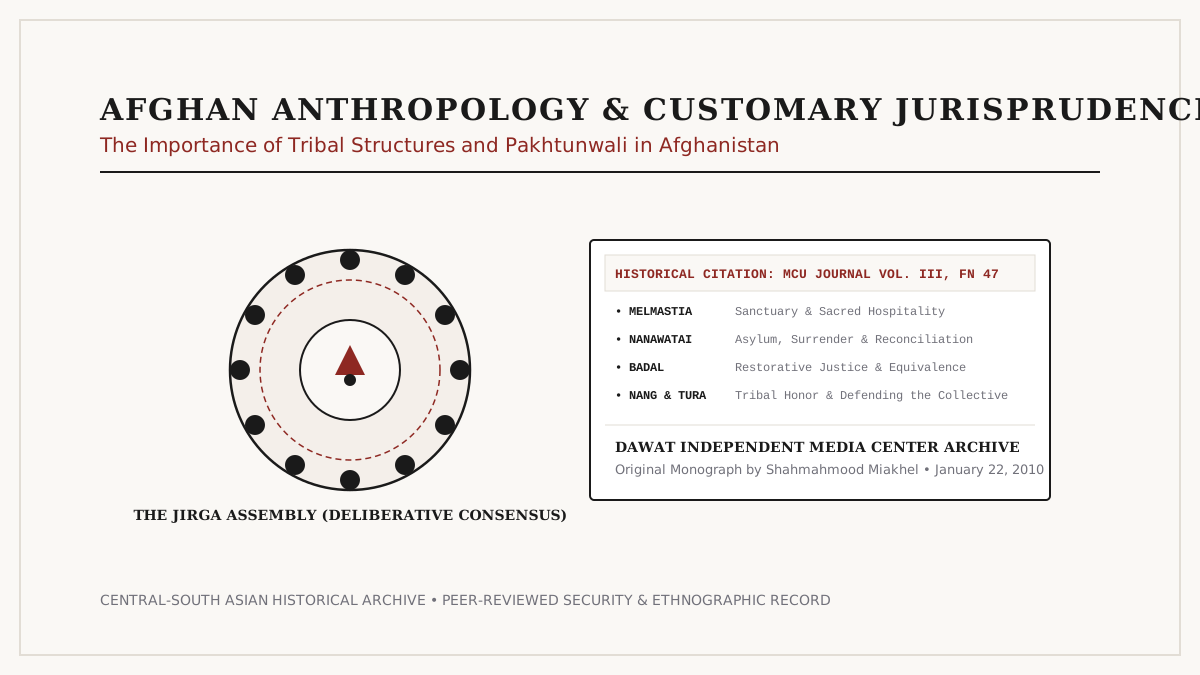
The Importance of Tribal Structures and Pakhtunwali in Afghanistan
A scholarly treatise on customary Pakhtunwali jurisprudence, decentralized tribal cohesion, the mechanics of t...
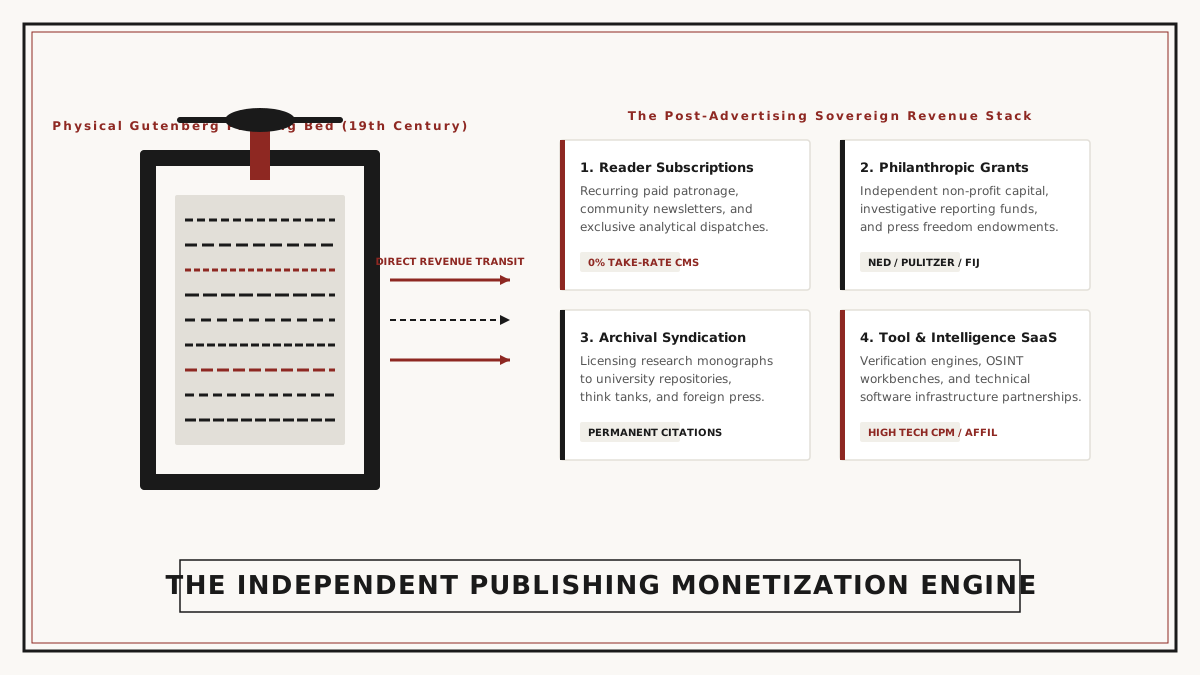
How Independent Newsrooms Monetize in the Algorithmic Age: Beyond Advertising
The collapse of programmatic display ads, the rise of sovereign subscriber revenue, philanthropic foundations,...